


How Nutrition Influences Human Health at a Systems Biology Level
In modern health science, nutrition is no longer understood as a simple matter of calorie intake or dietary preference. Instead, it is increasingly viewed through the lens of systems biology, where food and nutrients interact with metabolic, hormonal, immune, and neurological systems in highly coordinated ways. Every nutrient consumed participates in biochemical pathways that influence cellular function, energy production, inflammation regulation, and long-term disease risk. This means that nutrition operates not at the surface level of “healthy eating,” but at the structural level of human physiology, where it directly shapes how biological systems function and adapt over time.
NutritionalMedicines approaches nutrition as a functional science rather than a lifestyle concept. The focus is on understanding how dietary inputs influence internal biological mechanisms, and how imbalances in nutrition can contribute to systemic dysfunction. Instead of treating food as isolated categories like “good” or “bad,” this framework examines how nutrients interact with enzymes, hormones, gut microbiota, and inflammatory pathways. This allows a more precise interpretation of health conditions, where symptoms are seen as expressions of underlying biochemical and physiological imbalances rather than standalone issues.
The Human Body as an Interconnected System
The human body functions as an integrated network of systems rather than independent organs operating in isolation. The digestive system influences nutrient absorption, which directly affects metabolic function and energy regulation. The endocrine system modulates hormones that control appetite, stress response, and metabolic rate. The immune system responds to nutritional status by either supporting resilience or contributing to chronic inflammation when imbalances exist. These systems continuously communicate through biochemical signals, meaning that changes in one area inevitably influence others.
From this perspective, nutritional deficiencies or excesses are not isolated problems but system-wide disruptors. For example, inadequate micronutrient intake can impair enzymatic reactions, leading to reduced metabolic efficiency and increased oxidative stress. Similarly, excessive consumption of processed foods can alter gut microbiota composition, which then affects immune regulation and systemic inflammation. Understanding these interactions is essential for interpreting how nutrition shapes long term health outcomes.
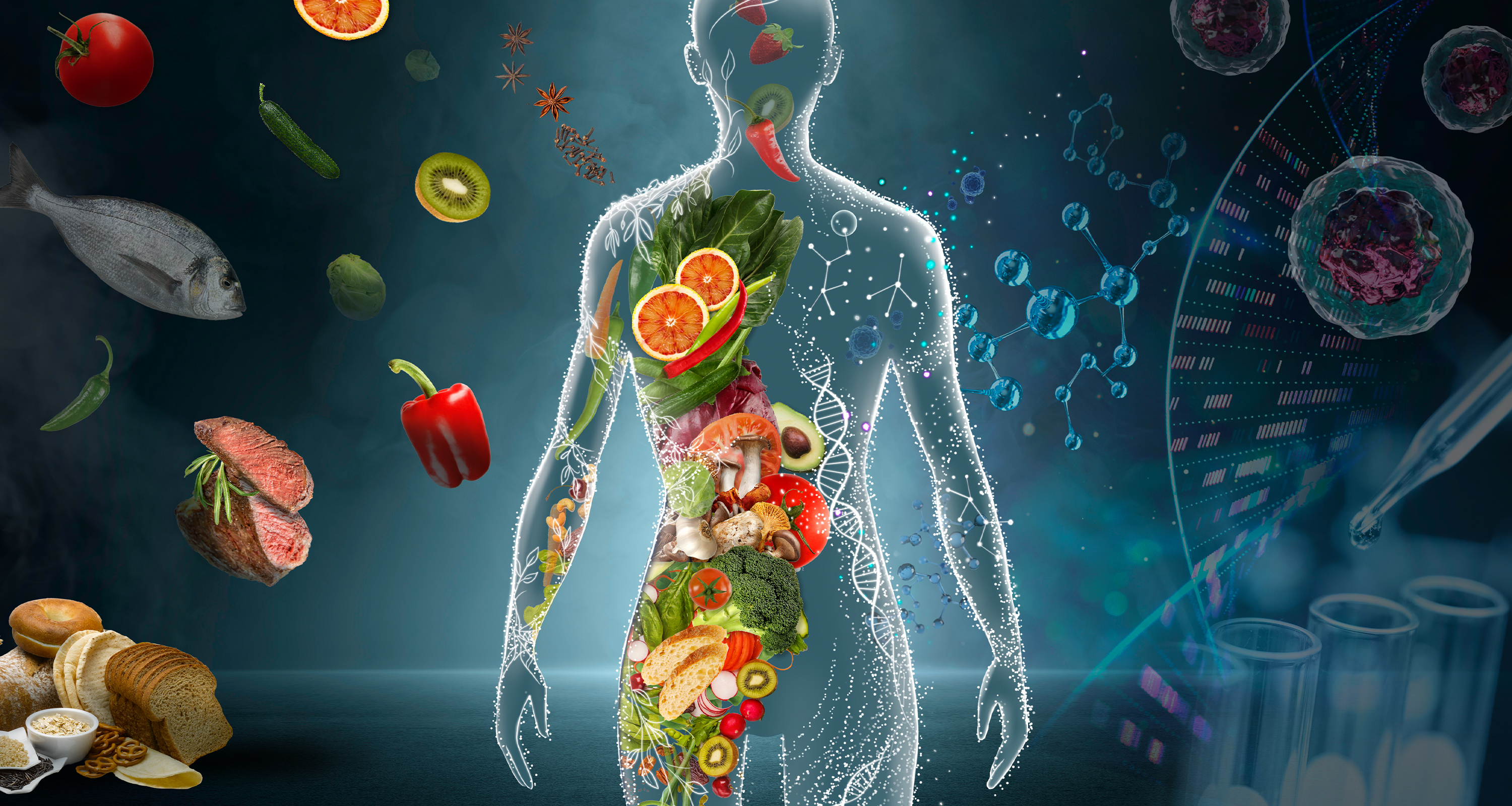
Nutrition is not a diet pattern—it is a regulatory system that governs biological function.
Nutrition and Disease Mechanisms
Many modern health conditions, including metabolic syndrome, diabetes, thyroid dysfunction, and chronic inflammation, are increasingly understood through nutritional and biochemical pathways. These conditions do not arise suddenly but develop gradually through long-term disruptions in metabolic balance. Nutritional factors such as insulin response, fatty acid composition, micronutrient status, and gut health play a central role in either maintaining equilibrium or driving dysfunction.
When nutrition is deficient or imbalanced, it can alter cellular signaling pathways that regulate inflammation, energy metabolism, and hormone production. Over time, these disruptions may manifest as clinical conditions that are often treated at the symptom level. However, a systems-based nutritional approach seeks to identify the root biological mechanisms contributing to these conditions, allowing for a deeper understanding of why they occur in the first place.
Functional Medicine Perspective on Nutrition
Functional medicine interprets nutrition as a therapeutic input that can influence biological systems at multiple levels. Rather than focusing solely on disease labels, it emphasizes functional imbalances such as insulin resistance, hormonal dysregulation, or chronic inflammation. Nutrition becomes a tool for restoring balance by addressing the underlying physiological disturbances rather than only managing symptoms.
This perspective also highlights the importance of individualized nutrition. Each person’s metabolic profile, lifestyle factors, genetic predisposition, and environmental exposures influence how their body responds to dietary inputs. As a result, nutrition cannot be universally standardized; it must be interpreted within the context of individual biological variability and system function.
Preventive Health Through Nutritional Understanding
One of the most significant applications of nutritional science is in preventive healthcare. By understanding how dietary patterns influence long-term metabolic and inflammatory states, it becomes possible to reduce the risk of chronic diseases before they develop. Nutritional prevention focuses on maintaining system balance through consistent support of metabolic efficiency, gut integrity, and hormonal stability.
This approach shifts healthcare from reactive treatment to proactive regulation. Instead of waiting for disease to manifest, nutritional understanding allows for early identification of risk factors such as insulin resistance, nutrient deficiencies, or inflammatory load. Addressing these factors through dietary and lifestyle modifications can significantly improve long-term health outcomes.
Conclusion
Nutrition is a foundational component of human biology that extends far beyond dietary choices. It functions as a regulatory system that influences every major physiological process in the body. By understanding nutrition at a systems level, it becomes possible to interpret health conditions more accurately and develop strategies that address root causes rather than surface symptoms.
NutritionalMedicines is built on this principle of systems-based nutritional science, focusing on the translation of complex biological research into practical, evidence-based understanding. The goal is to improve health literacy by connecting nutrition, physiology, and disease mechanisms into a unified framework that supports long-term preventive health.
Leave a Reply