

Insulin Resistance as a Core Breakdown in Metabolic Regulation
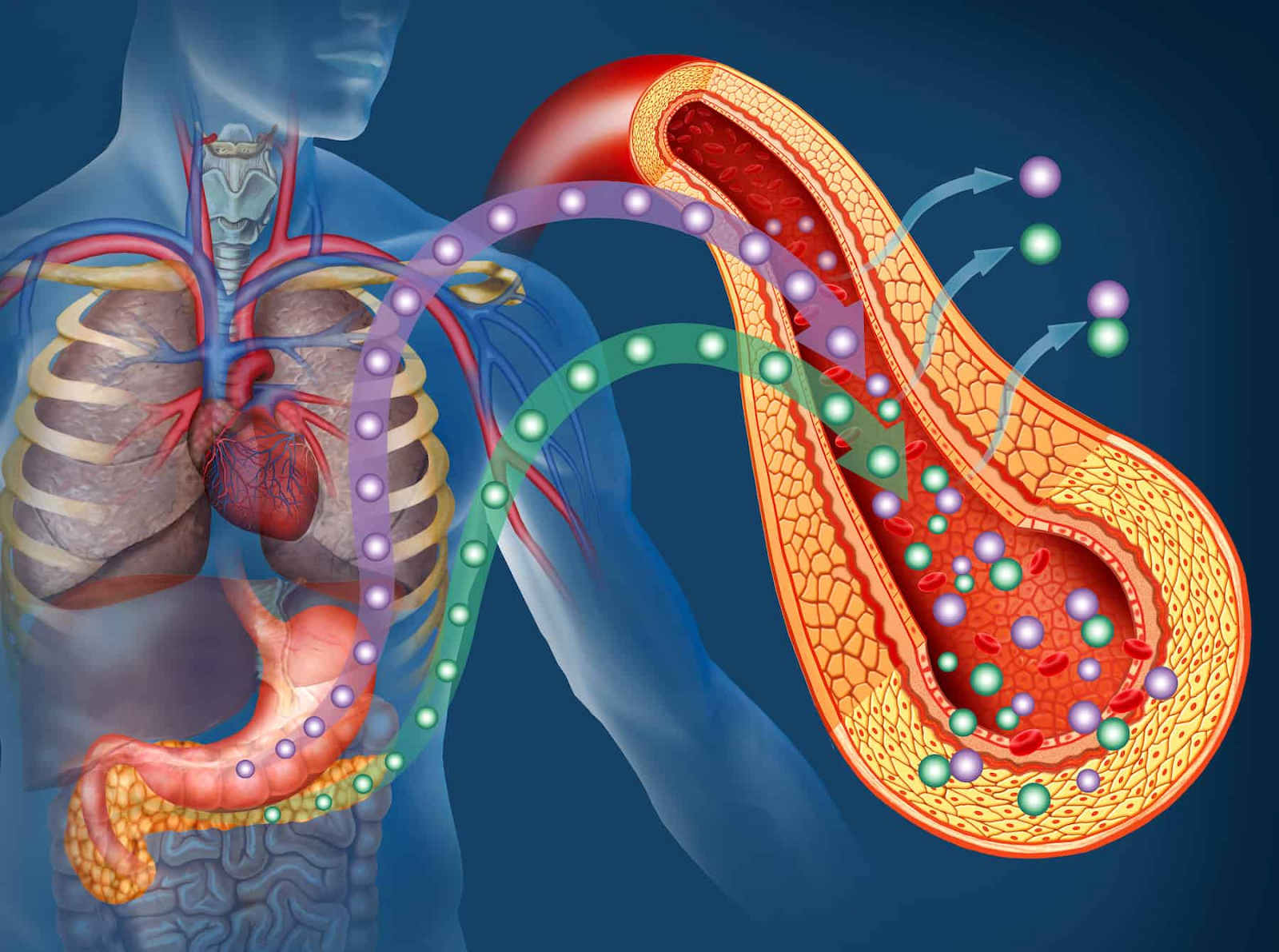
Insulin resistance is not simply a blood sugar abnormality but a systemic disruption in how the body communicates and processes energy at the cellular level. Insulin functions as a regulatory hormone that signals cells to absorb glucose and maintain energy balance, but when tissues become less responsive to this signal, the entire metabolic system begins to shift into a compensatory state. This reduced sensitivity does not occur suddenly but develops gradually through repeated metabolic stress, dietary overload, and impaired cellular signaling efficiency. Over time, the body must produce higher levels of insulin to achieve the same glucose control, creating a state of chronic hormonal elevation. This adaptation affects not only glucose metabolism but also fat storage regulation, inflammation control, and mitochondrial energy production. Insulin resistance therefore represents a multi-system imbalance rather than a single glucose-related disorder.
From a systems biology perspective, insulin resistance reflects a breakdown in cellular communication across multiple tissues including muscle, liver, and adipose tissue. When these tissues fail to respond effectively to insulin, glucose remains elevated in circulation, forcing the pancreas to increase insulin secretion. This compensatory response initially maintains normal glucose levels but gradually leads to pancreatic strain and metabolic inflexibility. At the same time, excess insulin signaling promotes fat storage and inhibits fat breakdown, contributing to progressive weight accumulation and altered lipid metabolism. These changes also interact with inflammatory pathways, as elevated insulin levels can promote low-grade chronic inflammation that further impairs cellular sensitivity. The result is a self-reinforcing cycle where metabolic dysfunction progressively intensifies unless underlying drivers are addressed.
Cellular Energy Dysfunction and Metabolic Flexibility Loss
One of the key consequences of insulin resistance is the loss of metabolic flexibility, which refers to the body’s ability to efficiently switch between glucose and fat as primary energy sources. In a metabolically flexible system, cells can adapt to energy availability and maintain stable function across varying nutritional states. However, in insulin-resistant states, cells become overly dependent on glucose metabolism and lose the capacity to efficiently utilize stored fat for energy. This creates an energy imbalance at the cellular level, often leading to fatigue, reduced endurance, and impaired recovery. Mitochondrial efficiency is also affected, as chronic nutrient overload and hormonal dysregulation disrupt normal ATP production pathways. Over time, this reduced flexibility contributes to systemic energy instability and metabolic inefficiency across multiple organ systems.
The loss of metabolic flexibility is not only a biochemical issue but also a reflection of long-term dietary and lifestyle patterns. Frequent intake of high glycemic foods, irregular eating cycles, lack of physical activity, and chronic stress all contribute to impaired insulin signaling. These factors create repeated spikes in insulin levels, which over time desensitize cellular receptors and reduce responsiveness. As this process continues, the body becomes increasingly reliant on external glucose availability, reducing its ability to maintain stable energy output during fasting or low-energy conditions. This creates a metabolic dependency pattern that reinforces insulin resistance and further limits physiological adaptability.
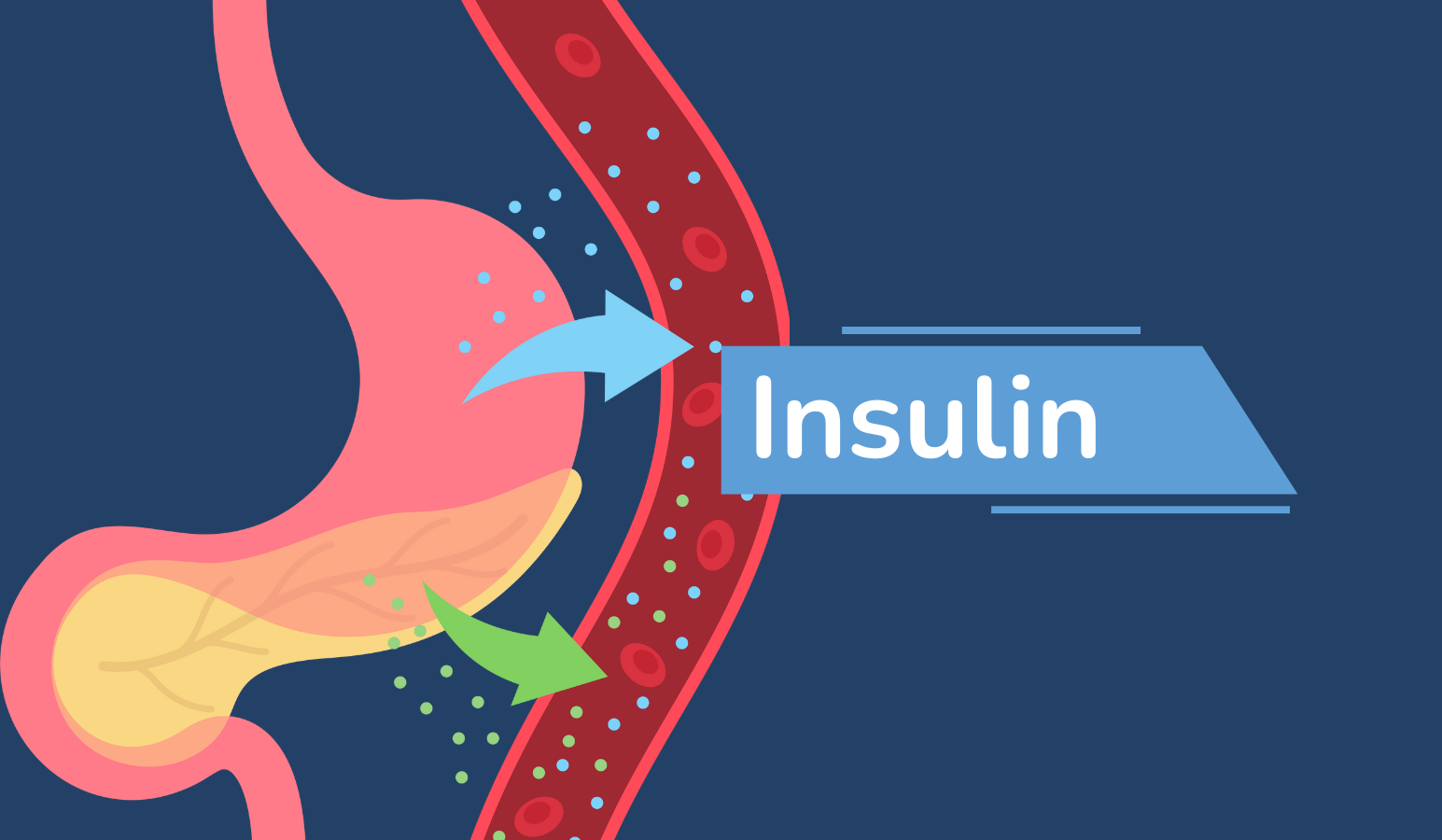
Insulin resistance is a failure of cellular communication, not just glucose control.
Systemic Effects Beyond Blood Sugar Regulation
Insulin resistance extends its impact far beyond glucose metabolism and influences multiple systemic pathways including cardiovascular function, hormonal balance, and inflammatory regulation. Elevated insulin levels contribute to increased fat storage in visceral tissues, which is strongly associated with systemic inflammation and cardiovascular risk. Hormonal imbalances may also emerge as insulin interacts with reproductive and stress-related endocrine pathways, altering normal hormonal rhythms. Inflammatory signaling becomes chronically elevated, creating an internal environment that affects vascular health, immune response, and tissue repair mechanisms. These interconnected effects demonstrate that insulin resistance is not confined to a single metabolic pathway but instead represents a systemic regulatory disruption.
As the condition progresses, multiple feedback loops reinforce metabolic instability. Elevated insulin promotes fat accumulation, increased fat tissue contributes to inflammatory signaling, and inflammation further reduces insulin sensitivity. This cyclical interaction makes insulin resistance a self-sustaining condition unless targeted interventions are implemented. Understanding these systemic relationships is essential for interpreting why metabolic diseases often cluster together and progress gradually over time.
Conclusion
Insulin resistance represents a foundational disruption in human metabolic regulation that affects energy balance, hormonal stability, and systemic inflammation. It develops through gradual loss of cellular responsiveness to insulin signaling and results in widespread physiological consequences beyond glucose control. Recognizing it as a multi-system condition rather than an isolated metabolic abnormality is essential for understanding its long-term impact on health.
Within the NutritionalMedicines framework, insulin resistance is studied as a systems-level breakdown driven by nutritional, behavioral, and physiological factors. This perspective emphasizes early detection of metabolic imbalance patterns and highlights the importance of restoring cellular communication efficiency through evidence-based nutritional understanding and lifestyle alignment.
Leave a Reply